Tree Repair in Reno, NV
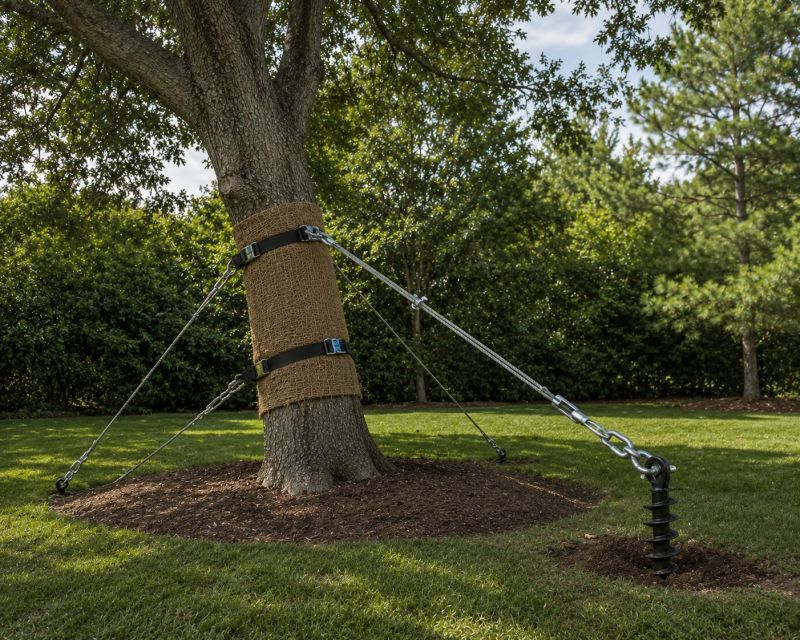
Tree repair services involve assessing and restoring the health and stability of damaged or compromised trees on residential properties. This can include addressing issues such as broken branches, trunk wounds, disease, or structural weaknesses that may pose safety concerns or threaten the longevity of the tree. Common projects include pruning to remove hazardous limbs, reinforcing weak branches, treating disease or pest infestations, and performing cabling or bracing to support unstable trees. Property owners should consider the specific condition of their trees and any safety risks before requesting repair services to ensure appropriate measures are taken to maintain the safety and appearance of their landscape.
Before requesting tree repair, homeowners often want to understand the extent of work needed and how it will benefit the tree’s health and safety. It’s helpful to have an assessment of the tree’s current condition, including identifying signs of decay, structural issues, or pest problems. Property owners should also consider the long-term health of their trees and whether repair or removal is the most suitable option. Clear communication about the scope of work, potential outcomes, and any necessary follow-up care can help ensure the repair process aligns with the property’s landscape goals and safety standards.
Many property owners in Reno, NV look into Tree Repair for repairs, replacements, upgrades, and appearance-related improvements.
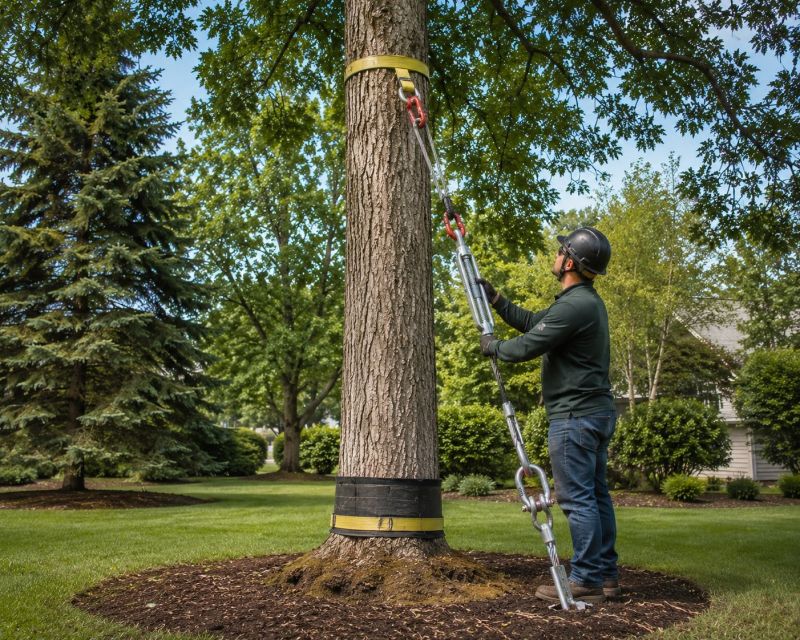
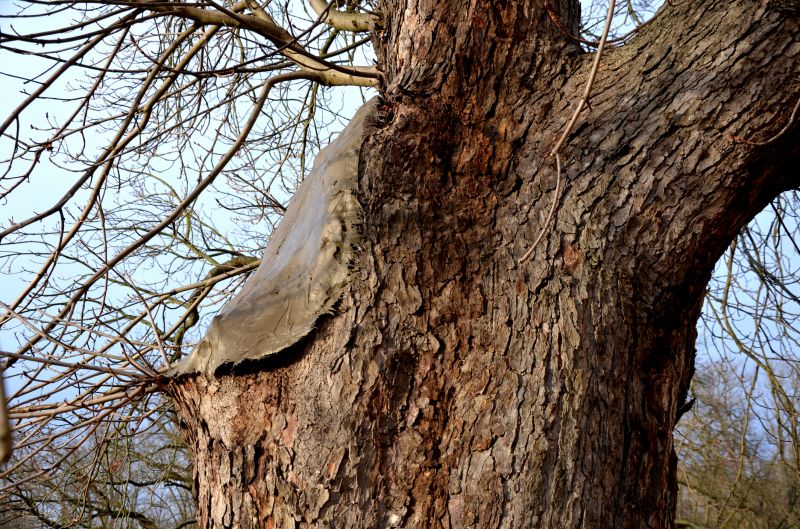
Tree Structural Repair
Restoring stability and safety to damaged or weakened trees on residential or commercial properties.
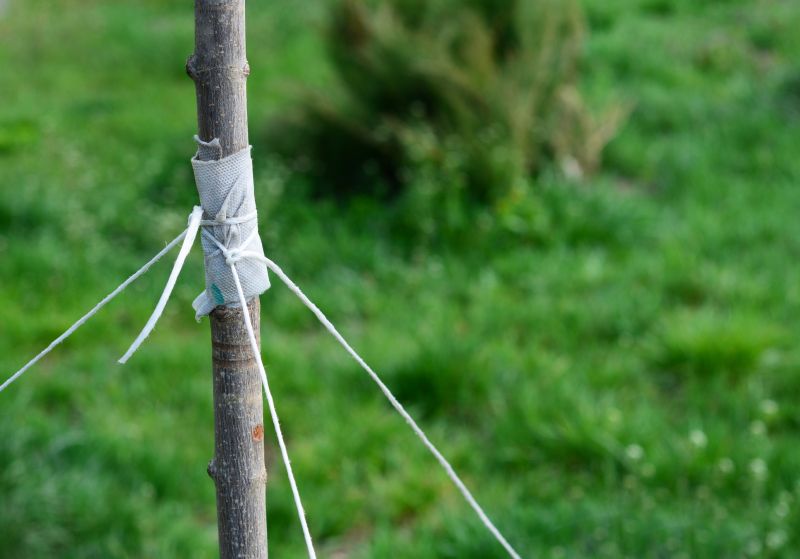
Pruning And Trimming
Improving tree health and appearance through targeted pruning and trimming services.
Emergency Tree Services
Addressing storm-damaged or hazardous trees to prevent property damage and ensure safety.
Tree Repair in Reno, NV
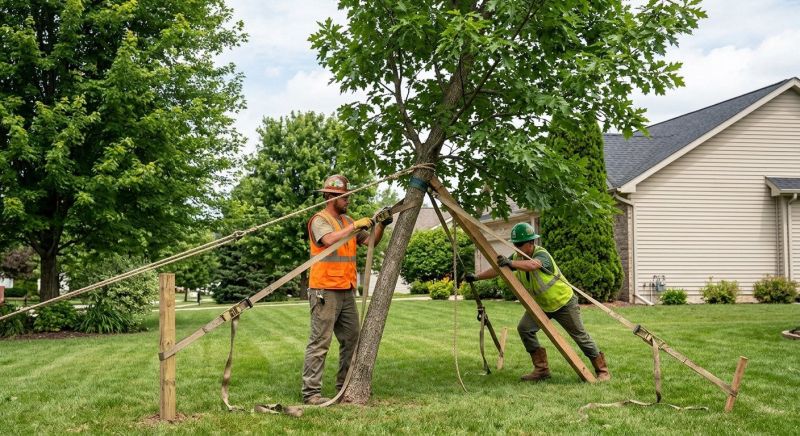
Tree repair services involve assessing and restoring the health and stability of damaged or compromised trees on residential properties. This can include addressing issues such as broken branches, trunk wounds, disease, or structural weaknesses that may pose safety concerns or threaten the longevity of the tree. Common projects include pruning to remove hazardous limbs, reinforcing weak branches, treating disease or pest infestations, and performing cabling or bracing to support unstable trees. Property owners should consider the specific condition of their trees and any safety risks before requesting repair services to ensure appropriate measures are taken to maintain the safety and appearance of their landscape.
Before requesting tree repair, homeowners often want to understand the extent of work needed and how it will benefit the tree’s health and safety. It’s helpful to have an assessment of the tree’s current condition, including identifying signs of decay, structural issues, or pest problems. Property owners should also consider the long-term health of their trees and whether repair or removal is the most suitable option. Clear communication about the scope of work, potential outcomes, and any necessary follow-up care can help ensure the repair process aligns with the property’s landscape goals and safety standards.
Many property owners in Reno, NV look into Tree Repair for repairs, replacements, upgrades, and appearance-related improvements.
Common Tree Repair Jobs
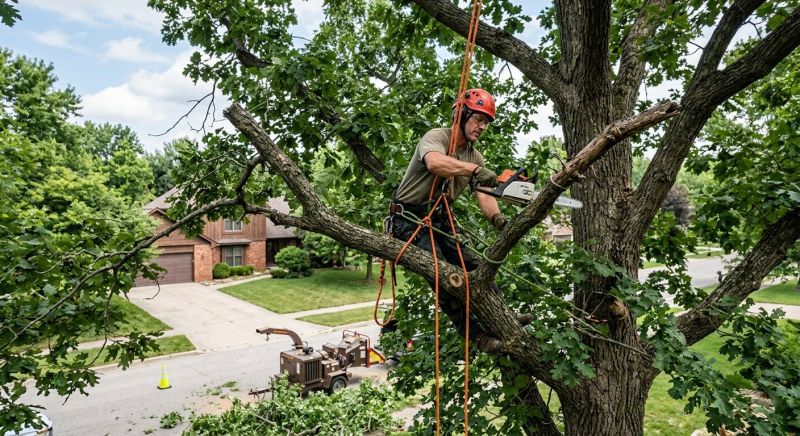
Tree pruning - shaping and reducing tree size to promote healthy growth.
Branch removal - eliminating dead or damaged branches to prevent hazards.
Cabling and bracing - installing supports to stabilize weak or split limbs.
Storm damage repair - restoring trees affected by high winds or heavy snowfall.
Tree crown thinning - reducing canopy density to improve airflow and sunlight penetration.
Root zone repair - addressing damage to roots caused by construction or soil issues.
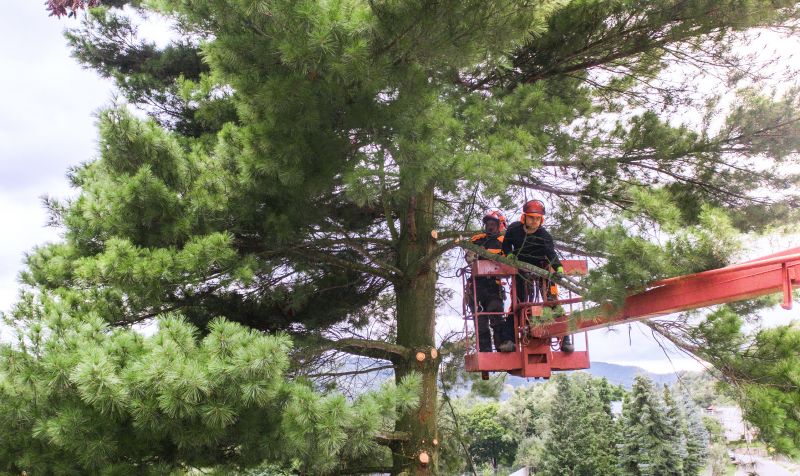
Tree Repair Questions
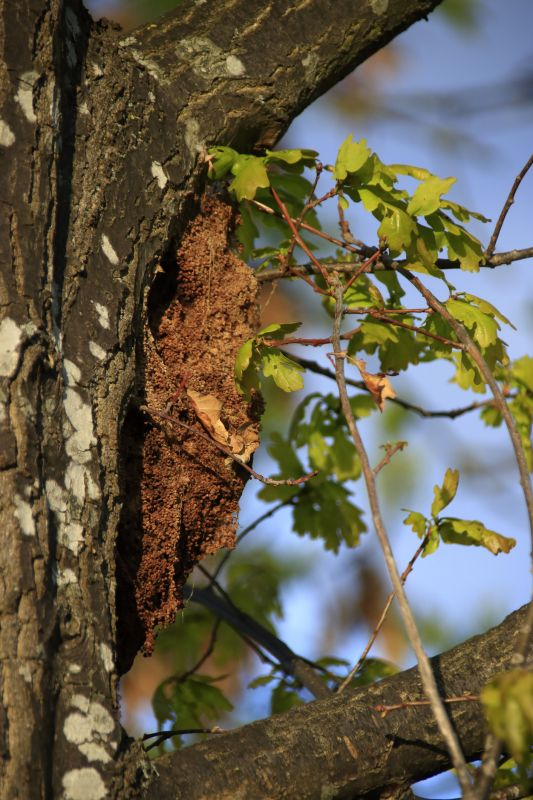
What types of tree damage can be repaired? Common issues include broken branches, split trunks, and root damage that can be stabilized or restored through professional repair methods.
When is tree repair recommended? Repair is advised when a tree shows signs of structural weakness, storm damage, or disease that could lead to safety concerns or further deterioration.
What repair techniques are used for damaged trees? Techniques include cabling, bracing, pruning, and wound dressing to support and strengthen compromised areas.
How can property owners prevent future tree damage? Regular inspections, proper pruning, and addressing issues early help maintain tree health and reduce the risk of damage.
Request Tree Repair in Reno, NV
Use the quote form on this page to share the basics of your project and request more information for the type of work you need.